Hospital Waste Management System
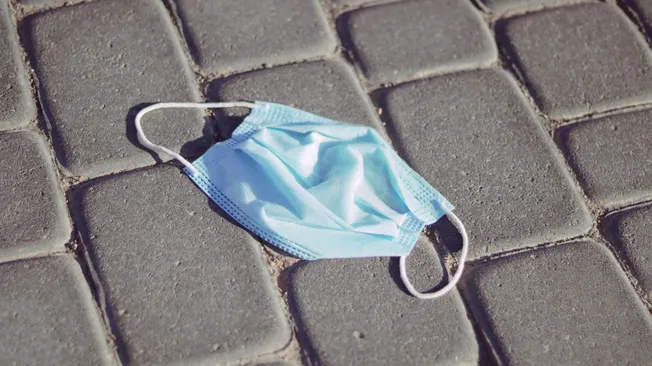
Of the total amount of waste generated by health-care activities, about 85% is general, non-hazardous waste.
The remaining 15% is considered hazardous material that may be infectious, toxic or radioactive.
Every year an estimated 16 billion injections are administered worldwide, but not all of the needles and syringes are properly disposed of afterwards.
Health-care waste contains potentially harmful microorganisms, which can infect hospital patients, health workers and the general public.
Health-care waste in some circumstances is incinerated, and dioxins, furans and other toxic air pollutants may be produced as emissions.
Health-care activities protect and restore health and save lives. But what about the waste and by-products they generate?
Of the total amount of waste generated by health-care activities, about 85% is general, non-hazardous waste comparable to domestic waste. The remaining 15% is considered hazardous material that may be infectious, toxic or radioactive.
Types of waste
Waste and by-products cover a diverse range of materials, as the following list illustrates: infectious waste: waste contaminated with blood and other bodily fluids (e.g. from discarded diagnostic samples), cultures and stocks of infectious agents from laboratory work (e.g. waste from autopsies and infected animals from laboratories), or waste from patients in isolation wardsand equipment (e.g. swabs, bandages and disposable medical devices); pathological waste: human tissues, organs or fluids, body parts and contaminated animal carcasses; sharps: syringes, needles, disposable scalpels and blades, etc.; chemicals: for example solvents used for laboratory preparations, disinfectants, and heavy metals contained in medical devices (e.g. mercury in broken thermometers) and batteries; pharmaceuticals: expired, unused and contaminated drugs and vaccines; genotoxicwaste: highly hazardous, mutagenic, teratogenic1 or carcinogenic, such as cytotoxic drugs used in cancer treatment and their metabolites; radioactive waste: such as products contaminated by radionuclides including radioactive diagnostic material or radiotherapeutic materials; and non-hazardous or general waste: waste that does not pose any particular biological, chemical, radioactive or physical hazard.Source: www.who.int
Features
Jul 08
Waste Management
Multilingual Approaches to Waste Management Education
Mar 11
Waste Management
Council Bluffs Waste Management
Mar 04
Waste Management
Methods for Waste Management
Feb 26
Waste Management
Waste Management Cumming Georgia
Feb 19
Waste Management
Conservation and Waste Management
Feb 12
Waste Management
Winnipeg Waste Management
Feb 08
Home Tips
How to Choose a Trash Can for the Kitchen?
Feb 07
Waste Management
Reducing Corporate Carbon Footprint in Waste Management
Feb 07
Waste Management
Waste Management Ball Ground Georgia
Feb 05
Waste Management
BI County Solid Waste Management
Jan 29
Waste Management
Waste Management Lubbock Texas
Jan 22
Waste Management
Waste Management Incorporated
Jan 15
Waste Management
Coast Waste Management Carlsbad
Jan 08
Waste Management
Waste Management Hastings Minnesota
Jan 02
Business
How Canadian Businesses Optimize Their Waste Management
Jan 01
Waste Management